2.42 Section 2 · Family Logistics
Musical Beds: Getting Every Kid Back in Their Own Bed
Kids swapping beds every night? Map who moves first, make sibling beds off-limits, give one landing spot and one adult on nights, and walk every kid back.
By Bree Hollis · November 15, 2026
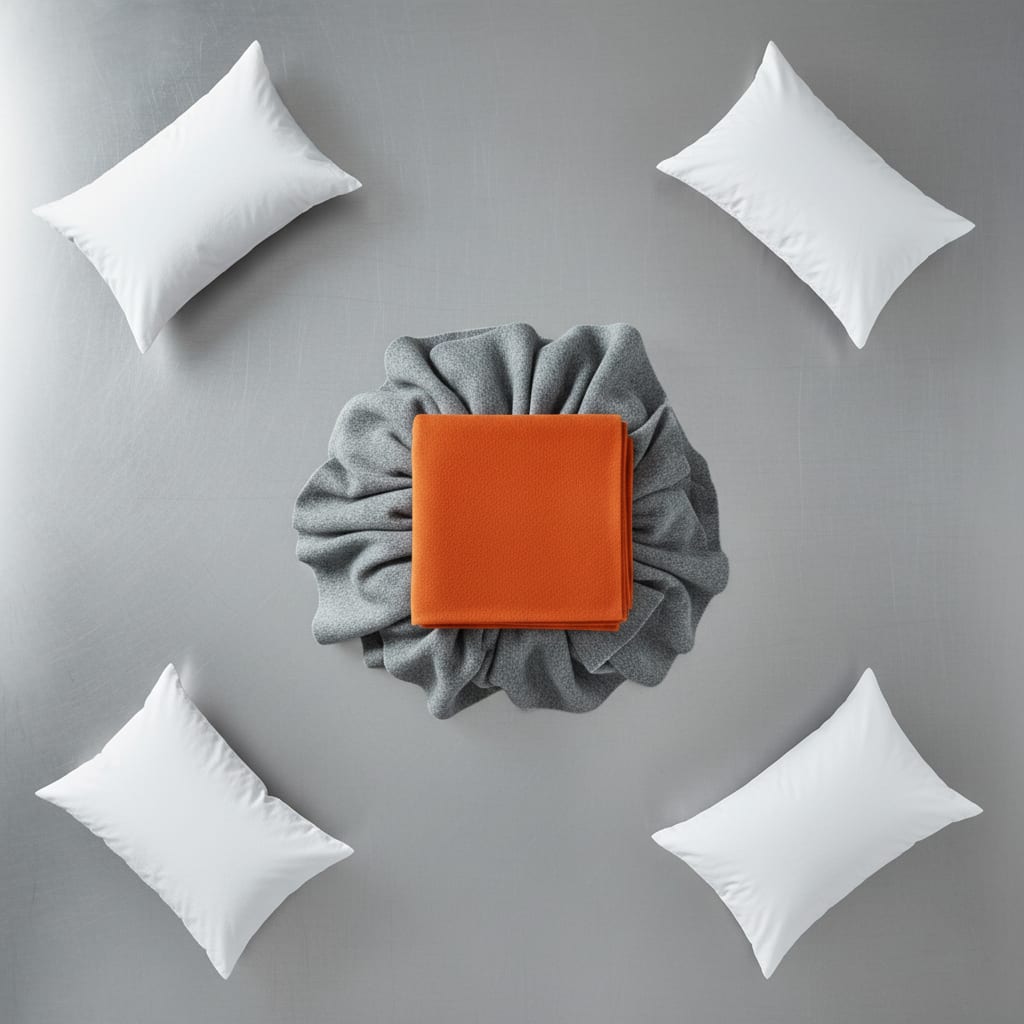
- Landing spot
- 1 FLOOR BEDin your room, kids over 1 only
- Judge it after
- 3–7 NIGHTSbefore you change the plan
Musical beds, where every child has ended up in someone else’s bed by morning, is common in a big family, and it is fixable without punishing anyone. Start by finding the one child who moves first, because the rest is a chain reaction. Then set three house rules: sibling beds are off-limits overnight, there is one approved landing spot in the parents’ room, and one adult is on nights. That adult walks each kid back with the same few words, every time. Give it three to seven nights before you judge it. A baby under 12 months never ends up in anyone’s bed.
Why it happens in a house of five
With one child, a night visit is one kid in your bed. With five, it’s a relay. The six-year-old has a bad dream and climbs in with her sister. The sister gets kicked, gives up and takes the empty spot in her brother’s bunk. He wakes, wanders to you, and by morning nobody is where you left them and three kids slept badly.
Betteroo’s guide to the child who keeps turning up in your bed at 3 a.m. lists the usual reasons: night fears, habit, wanting closeness, big changes such as a new baby or a move, bad dreams, a new big-kid bed, and falling asleep with a parent beside them. A frightened child needs more comfort in their own room; a habit needs a consistent, low-key response. A big family usually has both at once.
First, decide whether you want to stop it
Musical beds isn’t a problem in itself. The same Betteroo guide suggests three questions. Is anyone losing sleep? Is it getting more frequent? Are the adults agreed? If two siblings drift into one bed and both sleep fine, you may choose to leave it. If anyone is waking tired, or the swaps are spreading, it’s worth a plan. Agree it between the adults in daylight, not at 2 a.m.
Map the night before you fix it
Skip this and you fix the wrong kid. For five mornings, note where each child started and where they woke. Ask who moved first; they usually know.
| What the map shows | What it usually means | Where to start |
|---|---|---|
| One child moves first, others follow | One originator, the rest are knock-on | Work on the originator only for a week |
| The same two always end up together | Closeness, often a shared-room pair | A clear “own bed all night” rule, comfort in their room |
| Everyone ends up in your bed | Your room is the destination | The landing spot and the walk-back |
| Swaps only on nights after a late bedtime | Overtired kids waking more | Fix bedtime first |
| It started the week of a change | New baby, move, new bed | Expect it to fade, keep the rules steady |
In most houses one name keeps coming up first. Solve that child’s night and the relay often stops on its own.
The house rules: own bed, one landing spot
Sibling beds are off-limits overnight. This is the rule that matters most in a big family, because one waking child in a sibling’s bed turns into two tired kids. Say it in daylight, simply: “Everyone sleeps in their own bed all night. If you wake up, come and get the grown-up on nights.”
One approved landing spot. Betteroo’s guide offers an optional step-down for a child with real night fears: a sleeping bag or small mattress on the floor of the parents’ room, for children over 1 year only. It works as a bridge, moved toward the door and then back to the child’s room. A folding foam floor mattress like the Milliard tri-fold twin packs away in the day and gives the frightened kid somewhere that isn’t a sibling’s pillow. One spot, one kid at a time, and only for the child who is genuinely scared.
Comfort happens in their room. The guide’s 3 a.m. advice is to comfort a scared child in their own room, then walk them back.
One adult on nights, one script
Two half-awake parents each improvising is how the rules collapse. Pick one adult to own every wake-up for a week, then swap.
The walk-back is boring on purpose. The Betteroo guide’s version: respond quickly and calmly, use the same short script (“It’s sleep time. I’ll walk you back to your bed.”), keep it dim, with no screens, snacks or chatting, and repeat if they come back. After a nightmare, comfort first and walk back once they’re calm. In the morning, praise the night spent in their own bed, specifically and soon.
Light the route, not the rooms
Kids who can’t see the hallway head for the nearest warm body, usually a sibling. A dimmable plug-in night light with a dusk-to-dawn sensor, turned low, in the hall and outside your door shows them the way to the adult on nights rather than the next bed along. Keep bedroom lights off.
Shut the baby’s door. A child wandering at 2 a.m. who opens the wrong door wakes the one person you most need asleep. Our guide to stopping an early riser waking the baby covers the hallway in more detail.
Shared rooms, bunks and babies
Shared rooms. When two kids share, “their own bed” is three feet away. The staggered bedtime and white-noise setup in our shared-room bedtime plan cuts down the wake-ups that start a swap.
Bunks. A child climbing into a top bunk half-asleep is a safety problem, not just a sleep one. Check the age rules for the top bunk before you assign who sleeps up there, and make the ladder off-limits at night for anyone who isn’t the top bunk’s owner.
Babies. The rules for a baby don’t bend for a busy night. The AAP’s safe-sleep guide puts it plainly: “Share a room with your baby, but never share a bed.” It recommends parents avoid bed sharing with their baby “under any circumstances, including with twins and other multiples.” So no baby under 12 months goes into a parent’s bed or a sibling’s bed, and no older child climbs into the crib. The landing spot is for kids over 1 only.
After a move. Musical beds almost always spikes in a new house. Our first-week-after-a-move plan keeps the same landing-spot idea, but for a few weeks rather than as a habit.
What the first week looks like
Expect more trips, not fewer, for the first few nights. Betteroo’s guide cites KidsHealth NZ’s advice to stick with a strategy for about three to seven days before judging it. Map again on day five: the knock-on swaps usually fall away first. One night of “just stay” can restart it, so if illness breaks the rule, say why out loud.
 Beds sorted. Is the youngest sleeping?
Betteroo builds a personalized sleep plan for a baby or toddler from a free 3-minute quiz, matched to their age and how they sleep now.
Take the sleep quiz →
FAQ: musical beds at night
Is it normal for siblings to swap beds at night?
Yes. Night fears, habit, wanting closeness and big changes all send kids looking for company, and in a big family the nearest company is a sibling. It’s worth changing when someone is losing sleep.
Should I let my kids sleep in the same bed?
That’s a family choice for children past infancy. If both sleep well, it may be fine. If one is kicked awake every night, make own-bed-all-night the rule. Never put a baby under 12 months in a bed with a sibling.
How do I stop my kids ending up in my bed?
Pick one adult on nights, walk every child back to their own bed with the same short script, comfort a scared child in their own room, and praise them in the morning. Offer one floor landing spot for a genuinely frightened child over 1.
How long does it take to stop musical beds?
Give any plan three to seven nights before judging it, and expect the first few to be worse. Fixing the child who moves first usually ends the chain fastest.
More in section 2, Family Logistics.

Who runs this house
Bree Hollis
I'm Bree — mom of five (11, 9, twin six-year-olds, and a toddler) and a former restaurant line cook. I used to plate a hundred covers a night; now I feed seven every night and run the house the same way: prep in batches, label everything, time the plays. Every system here got tested on my own crew first — and no bedtime plan survives contact with twins.
More about Bree & the crew