2.38 Section 2 · Family Logistics
Carpool Nights: Staggered Bedtimes Around a Late Pickup
On a carpool night, the house runs two bedtimes: the kids at home go down on time, and the late arrival gets a short landing routine. Pick your rota leg to fit.
By Bree Hollis · October 31, 2026
On an activity night with a late carpool pickup, run two bedtimes instead of one. The kids at home go down at their normal time, run by whoever is home. The child coming back at 7:45 gets a short “landing” routine of about 20 minutes: dinner eaten in the car, bag at the door, teeth, lights out. Then choose which leg of the carpool rota your household drives based on who is home at bedtime. A one-adult evening with a toddler should take the drop-off, not the late pickup.
Pick your leg of the rota by who’s home at bedtime
Most activity-night carpools split into two legs. The drop-off runs around 5:00 to 5:30, and the pickup runs around 7:30 to 8:00. The pickup lands right on top of the younger kids’ bedtime, so a big family should split the legs by who will be home at 7:30, not by convenience.
| Your evening at home | Take this leg | Why |
|---|---|---|
| One adult, a toddler or baby in the house | Drop-off | The pickup means loading the youngest into a car seat at bedtime |
| One adult, youngest child is 6+ | Either, drop-off preferred | A 7:45 run still drags every child into the car |
| Two adults home | Pickup | One adult drives, the other runs the home bedtime untouched |
When you set up the rota, offer the trade out loud: “We’ll take every drop-off if someone else can take the late pickups.” Families with older kids or a second adult home often prefer it that way round. For the rest of the rota (the sign-up grid, the backup drivers and keeping it fair), thatsuburbanmomma’s carpool system covers it properly.
Carpool night runs two bedtimes, not one
Don’t hold the whole house’s bedtime for the late arrival, and don’t let the arrival restart the evening. Both cost the younger kids sleep for an activity that isn’t theirs. Split the night on purpose:
- Home bedtime, on time. The toddler, the twins and anyone else at home go down at their normal school-night time, in their normal order. The one-bathroom running order just gets one child shorter.
- Arrival bedtime, shortened. The child in the carpool gets a routine of about 20 minutes that starts when the car pulls up.
The home bedtime is often run by someone who doesn’t usually run it: the other parent, a grandparent or a sitter. That only works if the routine lives somewhere other than your head. Betteroo has a good walk-through on putting a one-page plan any adult can run bedtime from. Its main point is that the same steps in the same order matter more than which routine you choose.
Stage the landing before the car leaves
Set the arrival up before the child leaves for practice:
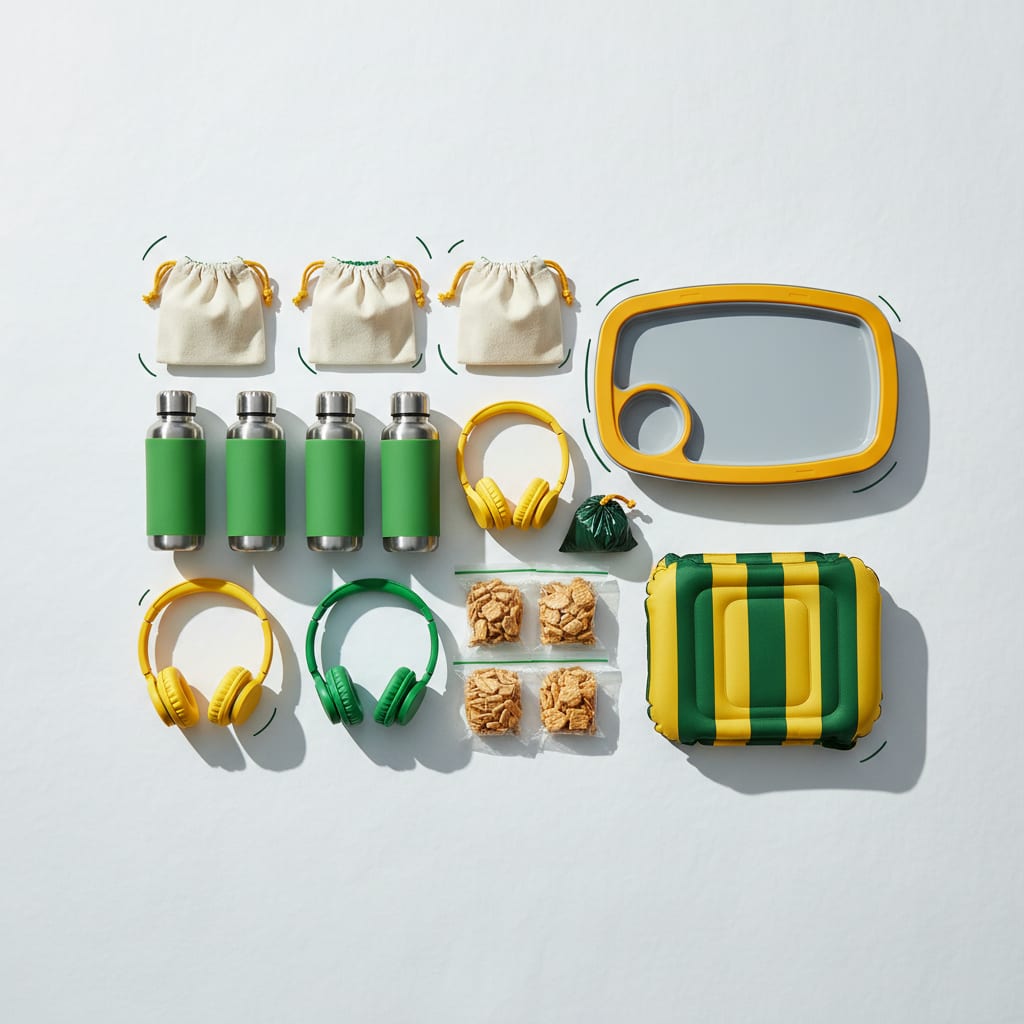
- Dinner travels with the pickup driver. A late child who comes home and then eats has a bedtime at 8:45. A child who eats in the car has a bedtime at 8:10. A warm portion of the family dinner goes in an insulated jar like the Thermos Funtainer 10-ounce food jar, with the spoon in the lid. If you aren’t driving, hand the jar to whoever is. Keep it a normal portion, not a second meal at home. The CDC’s healthy sleep habits list includes “avoiding large meals” before bedtime.
- Pajamas and toothbrush are waiting at the door. One basket by the entry with tonight’s pajamas, a toothbrush and the night water bottle.
- The bag stays at the door until morning. Unpacking is not part of the 20 minutes.
- Shower only if it can’t wait. On a mud or chlorine night, yes. Otherwise it moves to the morning.
From the car to lights out, aim for about 20 minutes: change, teeth, toilet, one short check-in with whoever is home, and lights out.
When the late arrival shares a bedroom
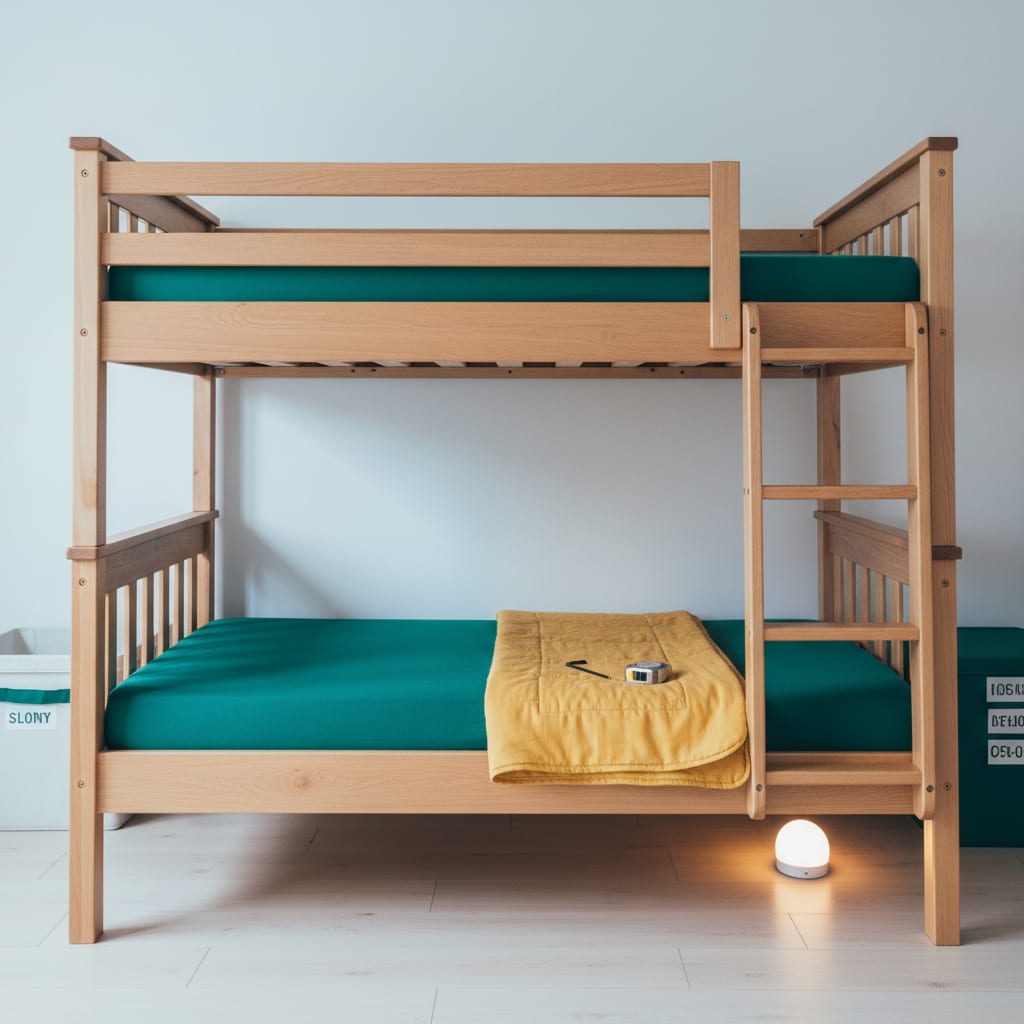
A child who comes in at 7:50 and switches on the overhead light has just woken the sibling who fell asleep at 7:15. So the late child goes in like a second-shift sleeper:
- They change and brush in the bathroom, not the bedroom.
- They go in with the room already dark, and they have one small light they’re allowed to use.
- Their bed is ready before they arrive. Covers are turned back and the water bottle is already on the shelf.
- Nothing gets talked about in the room. The day gets talked about in the kitchen, in two minutes, before they go up.
The full system, white-noise zoning included, is in bedtime for kids sharing a room.
The night you drive the late leg with little ones at home
Sometimes a sick driver puts the late pickup on you on a solo night, and the youngest has to ride along. Make that run cost as little as possible:
- Do the home bedtime before you leave. Pajamas, teeth and the bedtime story happen at home, at the usual time, and then everyone goes to the car.
- Expect the toddler to fall asleep in the car. That’s fine for the drive. Once you’re home, the car seat is not a bed. Carry the toddler in, or wake them enough to transfer them, and lay them down in their own bed. Our post on how long a baby can stay in a car seat covers why a sleeping baby comes out of the seat once you’re indoors.
If you’re the solo adult on a late pickup more than once a week, renegotiate the rota before next season.
Keep the next morning exactly the same
The late child does not sleep in on Wednesday to make up for Tuesday. The CDC’s list of healthy sleep habits starts with “going to bed and getting up at the same time every day”, and the wake-up is the one you can actually hold. Here’s what a 7:30 practice end looks like for a child with a 6:45 school wake-up:
| Step | Time |
|---|---|
| Practice ends | 7:30 |
| Car pulls up at home (dinner eaten on the way) | 7:50 |
| Lights out after the landing routine | about 8:10 |
| School wake-up | 6:45 |
| Hours available | about 10.5 |
The CDC gives 9 to 12 hours for children aged 6 to 12, so that night still works. Move practice to 8:30, or eat dinner at home after a 7:30 finish, and it stops working. If a child’s late nights fall short of their sleep need every week, that isn’t a carpool problem. It’s a schedule problem, and the overscheduled-kids activity audit is where to fix it.
 The youngest's bedtime anchors carpool night
Betteroo builds a personalized sleep plan for a baby or toddler from a free 3-minute quiz, so the home bedtime holds whoever is running it.
Take the sleep quiz →
FAQ: carpool nights and bedtime
Should younger siblings wait up for a late carpool pickup?
No. Put them to bed at their normal time, run by whoever is home. Waiting up costs them sleep for an activity that isn’t theirs, and it means two bedtimes stacked on top of each other at 8:00 instead of one at 7:15 and one at 8:10.
Which carpool leg should a big family take?
Take the leg that keeps the youngest out of the car at bedtime. With one adult home and a toddler or baby, that’s the drop-off. With two adults home, take the late pickup: one adult drives and the other runs the home bedtime as usual.
How fast can a child go to bed after a late practice?
Aim for about 20 minutes from the car to lights out. That works when dinner is eaten on the drive home, pajamas and a toothbrush are waiting at the door, the bag isn’t unpacked until morning, and the shower moves unless it truly can’t wait.
More in section 2, Family Logistics.

Who runs this house
Bree Hollis
I'm Bree — mom of five (11, 9, twin six-year-olds, and a toddler) and a former restaurant line cook. I used to plate a hundred covers a night; now I feed seven every night and run the house the same way: prep in batches, label everything, time the plays. Every system here got tested on my own crew first — and no bedtime plan survives contact with twins.
More about Bree & the crew