2.40 Section 2 · Family Logistics
Older Sibling Reads the Bedtime Story: How to Hand It Over
Can an older sibling read the bedtime story? Yes. Hand over the book step only, keep the first and last steps adult, and phase it in over about two weeks.
By Bree Hollis · November 7, 2026

- Handed over
- 1 STEPthe book step only
- Phase in
- ≈2 WKsit in, step out, leave them to it
Yes, an older sibling can read the bedtime story, and in a house with four or five kids it’s one of the best trades on the evening roster. Hand over one step only: the book. An adult still starts bedtime and still finishes it with the lights and the lay-down. Pick a reader who can get through a picture book aloud without stalling on every page; go by the reading, not the birthday. Then phase it in over about two weeks: sit in, then step out, then leave them to it. Fix the number of books before the first page, and pay the reader back in something they actually want.
Why hand over the story, and why only the story
The American Academy of Pediatrics runs bedtime for young kids as three steps, which it calls Brush, Book, Bed: help them brush their teeth, “read a favorite book (or two)”, and “get to bed at a regular time each night”. The same page says “even just 15 minutes each day” of reading aloud together helps a child’s language development.
Fifteen minutes is nothing with one child. With five it’s the whole evening. Teeth and lights need an adult; the book doesn’t, so it’s the step a big kid can take off you.
| Step | Who runs it | Why |
|---|---|---|
| Bath and pajamas | Adult (a big kid can fetch and lay out) | Water and wriggling need an adult in the room |
| Teeth | Adult | The AAP’s step is to help them brush |
| The book | Older sibling | Needs a reader, not a parent |
| Lights, lay-down, goodnight | Adult | The safety step, and the last word |
Our one-bathroom running order shows where this slot fits when five kids share one sink.
Is this big kid ready to be the reader?
Ask four questions before you put anyone on the job:
- Can they read the book aloud smoothly? Start them on books they’ve outgrown. A Scholastic piece on siblings reading together makes the point that a book that’s “too young” for the older child is good fluency practice for them, not a step backwards.
- Do they want to? The same Scholastic piece quotes literacy expert Karen Baicker advising against forcing it, because reading shouldn’t become a chore. A drafted reader rushes, and the listener notices.
- Can they stay calm when the listener isn’t? Toddlers grab pages and demand the same book again.
- Is their own evening free at that time? If the only free slot is their own bedtime, the deal fails.
Two yeses is a trial run. Four yeses is a standing job.
The handoff: one step at a time, over about two weeks
Don’t announce “you’re doing bedtime now” and leave. Betteroo’s guide to getting every caregiver onto one routine describes a second adult taking over bedtime one step first, adding steps over one to two weeks, with the familiar parent out of sight. It’s written for dads and grandparents, and it works the same way for a ten-year-old with only one step to learn:
- Nights 1 to 3: you’re in the room. The big kid reads; you sit on the floor and don’t correct mid-page.
- Nights 4 to 7: you’re within earshot. You run teeth for the next child down the hall. Come back for lights.
- Week 2: you’re elsewhere. The reader comes to get you, or calls “done”, when the last book closes. You do lights and goodnight.
Keep the wording the same. If the story always ends with the same goodnight line, teach the reader that line. The routine is the comfort, not the person reading it.
The rules that stop the story becoming a stall
A big kid reading is a soft target for “one more”. Set the rules before the first night:
- Set the number of books first. Two is plenty. Betteroo’s notes on keeping that last story calm rather than revving give the same advice: set the number of books before you start, read slower and quieter, and save the calmest book for last.
- Listener picks one, reader picks one. The reader’s pick is the last book, and it’s the quiet one.
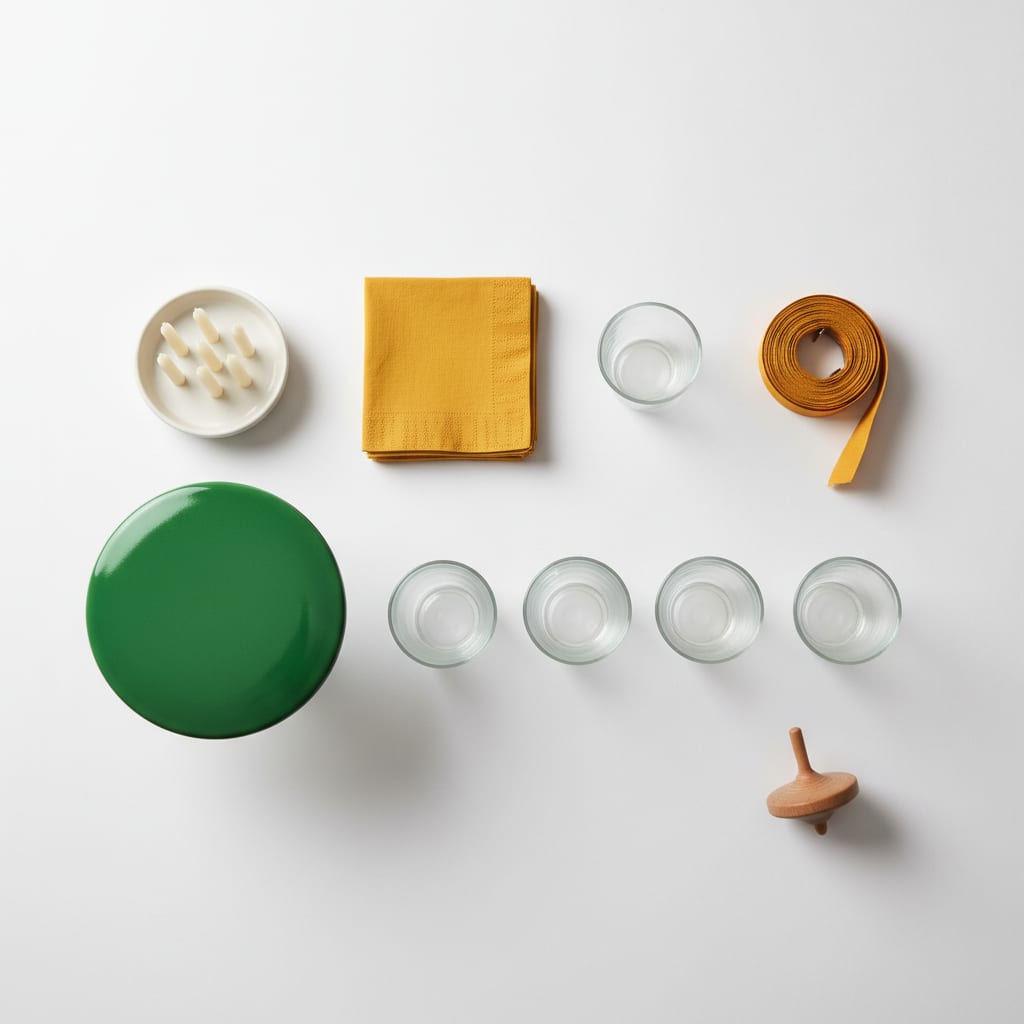
- Let a timer end it. A 15-minute sand timer turned over at the first page ends the session without the reader having to be the bad guy. When the sand runs out, the current book is the last one.
- Keep the room dim. A bendable neck reading light on its warm, low setting lights the page for the reader while the overhead light stays off.
- The reader doesn’t negotiate. Any request beyond the books (water, a song, a third book) gets one answer: “Ask when the grown-up comes in.”
What’s in it for the reader
This is a real job, so pay it like one. In a big family, the currency most kids want is undivided adult time. Give the reader their own ten minutes after lights, exactly as in our one-on-one time before bed plan. Some kids would rather have the job on the chore roster and earn whatever chores earn in your house. Either works; asking for free every night doesn’t.
Rotate if you have two willing readers, so neither gets bored.
When the listener is a baby
A baby can be read to from birth. The AAP’s Brush, Book, Bed page says “it is never too early to share books with your child”. But the reader’s job stops at the book. The adult does the lay-down, every time, following the AAP’s safe-sleep guide: “Place your baby on their back for all naps & at night,” on a firm, flat surface, with “no blankets, pillows, stuffed toys or bumper pads in your baby’s bed.” For a baby, that means the book doesn’t go into the crib either.
With a wide age gap, it often works better for the big kid to read to the baby before the baby’s bedtime, on the sofa or the floor, while you get the crib ready. That’s the sequenced bedtime for a baby and a school-age sibling with the story moved earlier.
When it stops working
Three signs the handoff needs a reset:
- Bedtime is getting later, not earlier. The books are running long. Go back to the timer and two books.
- The little one waits for you anyway. Go back to week one for a few nights.
- The reader starts dodging it. It’s become a chore, or the payback stopped. Fix the payback, or rest the job for a week.
 Story's handled. Is the sleep?
Betteroo builds a personalized sleep plan for a baby or toddler from a free 3-minute quiz, matched to their age and how they sleep now.
Take the sleep quiz →
FAQ: older siblings and the bedtime story
Can an older sibling read the bedtime story?
Yes. The book is the one bedtime step that needs a reader rather than a parent. Keep teeth, lights and the lay-down with an adult, and hand over the story alone.
What age can a child read bedtime stories to a younger sibling?
There’s no set age. Go by the reading: a child who can read a picture book aloud smoothly, wants the job and stays calm with a wriggly listener is ready.
Should I make my older child read to the younger ones?
No. Ask, don’t assign. A drafted reader rushes, and reading shouldn’t feel like a chore. Make it a paid job with a reward the reader wants, and rotate between willing readers.
How do I stop bedtime stories turning into “one more book”?
Agree the number of books before the first page, let a sand timer end the session, and make the reader’s pick the last, calmest book. Any request beyond that waits for the adult.
More in section 2, Family Logistics.

Who runs this house
Bree Hollis
I'm Bree — mom of five (11, 9, twin six-year-olds, and a toddler) and a former restaurant line cook. I used to plate a hundred covers a night; now I feed seven every night and run the house the same way: prep in batches, label everything, time the plays. Every system here got tested on my own crew first — and no bedtime plan survives contact with twins.
More about Bree & the crew