What Are Irish Twins? Meaning, Origins & Real Life
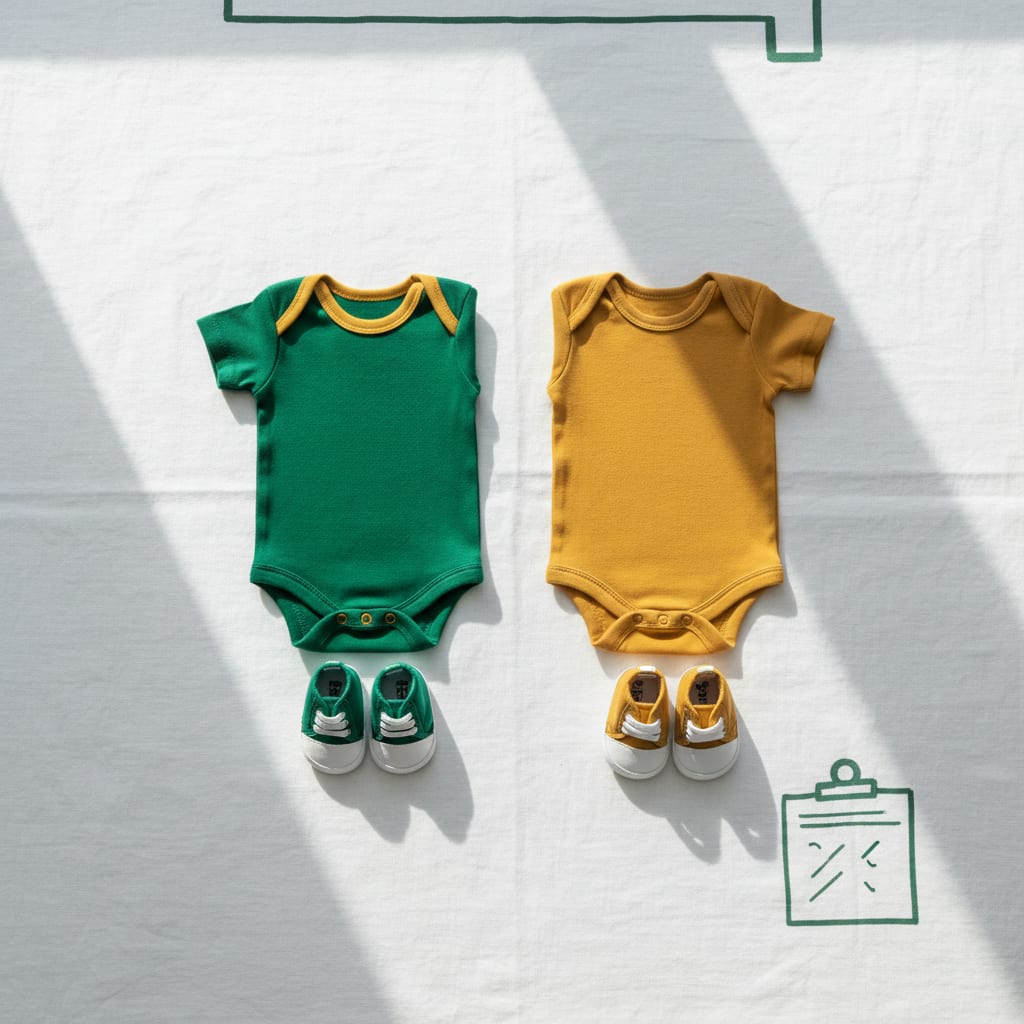
“Irish twins” means two siblings born within about twelve months of each other — not actual twins, just babies stacked close enough that strangers in grocery stores feel entitled to comment. The phrase started as a 19th-century slur aimed at Irish Catholic immigrant families and has since drifted, for most speakers, into neutral or even affectionate shorthand, though not everyone welcomes it. Some families extend it to siblings born within eighteen months, and “Irish triplets” means three kids in three years. That’s the definition; the more useful conversation is the history and the how-do-you-survive-it, so let’s run both.
Where the term actually comes from
The phrase emerged in the 1800s, when large waves of Irish Catholic immigrants arrived in America and Britain into neighborhoods that didn’t want them. Big, closely-spaced families — shaped in part by Catholic teaching against contraception and in part by poverty — became a stereotype, and “Irish twins” was coined as mockery: the implication being that such families were reckless or backward. It was never a compliment at birth.
Language drifts, though. Several generations on, the term is used mostly by the very families it describes — plenty of parents of closely-spaced kids, including plenty of Irish-American ones, deploy it cheerfully about their own crew. That’s the usual life cycle of a slur that loses its teeth: reclaimed first, then genericized.
The boundary: 12 months, 18 months, or one school year
Ask five people and you’ll get three definitions, because this is folk terminology with no governing body. The three in circulation:
- Within 12 months of each other. The strict version, and the one most articles lead with: the pregnancies overlapped the first baby’s first year.
- Within 18 months. The loose version, and the one most parents who use the phrase about themselves seem to mean. An 18-month gap still produces a newborn and a not-yet-verbal toddler, which is the situation the strict version is describing.
- The same school year. The version that matters administratively rather than biologically, and the one that outlasts the baby stage by about eighteen years.
None is wrong and none is official. If you’re using the phrase to ask a practical question — will they share a bedroom, do I need two of everything at once — the 18-month version is the one that answers it.
Irish triplets: three in three years
Irish triplets means three siblings born within roughly three consecutive years — three pregnancies inside about 36 months, not a triplet birth. Same term stretched one sibling further, same origin, same etiquette (below). People say “Irish quadruplets” for four in four years, though by then most families I know have switched to just saying the ages.
The logistics change more than the label suggests, and this is where the big-family version diverges:
- You skip the handing-down window entirely. With a 12-month gap the crib, high chair and car seat are all still in service when the next baby needs them, so you buy a second rather than pass one along. At three-in-three you’re running three sizes at once, which is when a real hand-me-down storage system stops being optional.
- The car math bites before the house math does. Three kids in three years means three harnessed seats in one row at the same moment — a vehicle question, not a bedroom question.
- The oldest is not a helper. A three-year-old with two younger siblings is a third small child, and treating them as the responsible one is the commonest structural mistake in closely-spaced houses.
- The payoff arrives in one block. Everyone I know who’s run it describes the same cliff-edge around the youngest turning three, where the whole house gets easier at once rather than gradually.
Is it offensive to say?
Honest answer: it depends who’s holding it. Used about your own kids, almost nobody blinks. Used about someone else’s family — especially with a raised eyebrow and “were they planned?” energy — it can land exactly as it was coined to land. The etymology is genuinely derogatory, and some people of Irish descent would rather retire the phrase entirely.
Three things worth separating, because they get argued as one:
The origin is not in dispute. It was coined as an ethnic and religious insult, and the joke inside it was that those families were feckless. Anyone telling you it was always harmless is describing their own experience of it, not its history.
Current usage is mostly self-description. The people who say it most are the parents it describes, about their own kids, affectionately. That’s a real shift — but reclaimed-by-the-group is not the same as neutral-for-everyone, which is why a stranger saying it lands differently from a mom saying it about her own two.
Who is speaking decides it. The neutral alternatives cost nothing: “closely spaced siblings,” “back-to-back babies,” “two under two,” or simply the ages.
My house rule, as a mom of five who fields spacing commentary professionally: describe your own family however you like, and describe other people’s families with whatever words they use first. That policy has never once failed me at a school pickup.
And if a stranger uses it at you, they’re usually reaching for small talk rather than an opinion. “Fifteen months apart,” said cheerfully, ends it — without making you settle the etymology question in a checkout line.
Irish twins vs. actual twins — a comparison from someone running both math problems
I have twin six-year-olds, and several of my closest mom friends run Irish-twin setups, so I’ve watched both systems up close for years. The surprising verdict: they’re different sports.
- Twins are synchronized chaos. Same milestones, same naps (if you fight for them — see the twin sleep schedule playbook), same grade forever. One curriculum, two students.
- Irish twins are staggered chaos. A newborn plus a baby who just learned to walk is two different jobs at once — one needs to nurse, the other needs preventing from summiting the bookcase.
- Gear math differs. Twins need two of everything at once; Irish twins can sometimes hand down on a nine-month delay, except the crib, which is famously still occupied. The second-baby gear list is built for that overlap.
- The payoff curve is identical. Every Irish-twin parent I know says the same sentence: “It was brutal, and now they’re best friends.”
If you’re expecting Irish twins right now
Three field notes from the parents in my orbit who’ve run it, none of which involve panic:
- Double up on the sleep infrastructure early. A newborn and a not-yet-one-year-old both need naps, and the schedules will fight; the parents who thrive protect the older baby’s nap like a load-bearing wall.
- Get the toddler-adjacent gear before the birth. The older sibling won’t be walking-independent when baby two arrives — a double stroller or a stroller-plus-carrier system isn’t a luxury, it’s how you leave the house. The run-up itself is a scheduling problem more than an emotional one, and it has a four-week version.
- Ignore the spacing discourse. Whatever gap you have is the gap you have. Closely spaced kids are not a mistake to explain; they’re a roster to manage, and rosters respond to systems, not strangers’ opinions.
FAQ: Irish twins
What exactly counts as Irish twins?
The strict version is two siblings born within twelve months of each other; casual usage stretches to about eighteen months or “same school year.” There’s no governing body — it’s folk terminology, so the boundary is fuzzy by nature.
Is the term “Irish twins” offensive?
Its origin is genuinely derogatory — 19th-century anti-Irish-Catholic mockery — but modern usage is mostly affectionate self-description. Use it for your own family freely; for other people’s families, follow their lead or say “closely spaced.”
What are Irish triplets?
Three siblings born within about three consecutive years — three separate pregnancies inside roughly 36 months, not a triplet birth. Rarer, obviously, and the parents I’ve met who’ve done it have the thousand-yard calm of veteran air-traffic controllers.
Is an 18-month gap still Irish twins?
By the strict 12-month definition, no; by the loose one most parents actually use, yes. There’s no authority to appeal to, and since the phrase is describing a lived situation rather than a measurement, the 18-month version is the one that matches what people mean.
Are Irish twins harder than real twins?
Both are hard in non-overlapping ways: twins hit every stage in stereo, Irish twins hit two stages at once. Either way, the fix is systems, not toughness.